What is a PPE Detection System?
A Complete Guide to Workplace Safety with AI

iProgrammer Australia is a dedicated division of iProgrammer Solutions, specializing in cutting-edge AI and Machine Learning development services. We help businesses across industries harness the power of Artificial Intelligence to automate processes, enhance decision-making, and drive innovation. From custom AI models to intelligent software solutions, we deliver scalable and secure AI systems tailored to your business goals. Backed by over a decade of global tech experience, we bring deep technical expertise and agile delivery to every project.
Workplace safety has never been negotiable. Across industries, from building construction sites to oil refineries, the need to protect workers is no less an ethical obligation than a regulatory requirement. And yet, despite five decades of regulation and safety initiatives, injuries still happen.
Therefore, a computer vision and real-time analytics-based PPE detection system is no longer a science fiction, but an ever-present protection that is being used in factories, warehouses, and field sites all over the world. By tracking whether workers are wearing helmets, vests, masks, gloves, and other safety gear, these systems are an unwearied pair of eyes that bridge the gap between policy of compliance and ground reality.
To policymakers, this technology is not only surveillance—it’s accountability, effectiveness, and vision. Human checks are liable to mistake and weariness, but AI-driven detection yields vigilant monitoring, precise reporting, and faster intervention. The result is a more secure safety culture, reduced risk of fines, and—most importantly—fewer preventable injuries.
In this blog, we explore the basics of PPE detection, the technologies behind it, and the real-world advantages it offers to businesses weathering the storms of compliance and performance. We will also explore how AI, IoT, and edge computing come together to reshape workplace safety thresholds.
What is a PPE Detection System?
A PPE Detection System is a smart solution that is meant to automatically check if workers within a work setup are donning the protective gear that is necessary for their job. Unlike typical safety inspections where managers must manually look around to check for compliance, the systems employ computer vision models to detect helmets, reflective vests, safety gloves, face masks, goggles, and other mandatory gear.
It’s a simple idea, with revolutionary implications. Cameras that have already been installed on location stream live video to detection software, which examines every frame in real time. When the system detects that something is missing or being worn improperly, it creates an immediate alert, whether that’s an alert to a site manager, a record of the infraction for reporting to compliance, or even interaction with access controls to bar unsafe entry. What sets modern AI PPE Detection apart is its adaptability. Advanced models can differentiate between types of equipment, environments, and even variations in PPE design (for example, distinguishing between a construction hard hat and a miner’s helmet).
The value of personal protective equipment detection lies not in preventing risks before they escalate. An employee entering a danger area without gloves is reported immediately, giving supervisors the ability to act before injury happens. In sectors where regulatory compliance or local safety boards is mandatory, the potential for producing uniform, audit-ready data on PPE compliance is invaluable. For businesses, this equates to shorter preparation times for inspections, fewer arguments during auditing, and a more solid record of responsibility. For employees, it means a safer, better-protected workplace in which safety policies are not capricious but actively enforced.
Why PPE Detection Matters in Workplace Safety
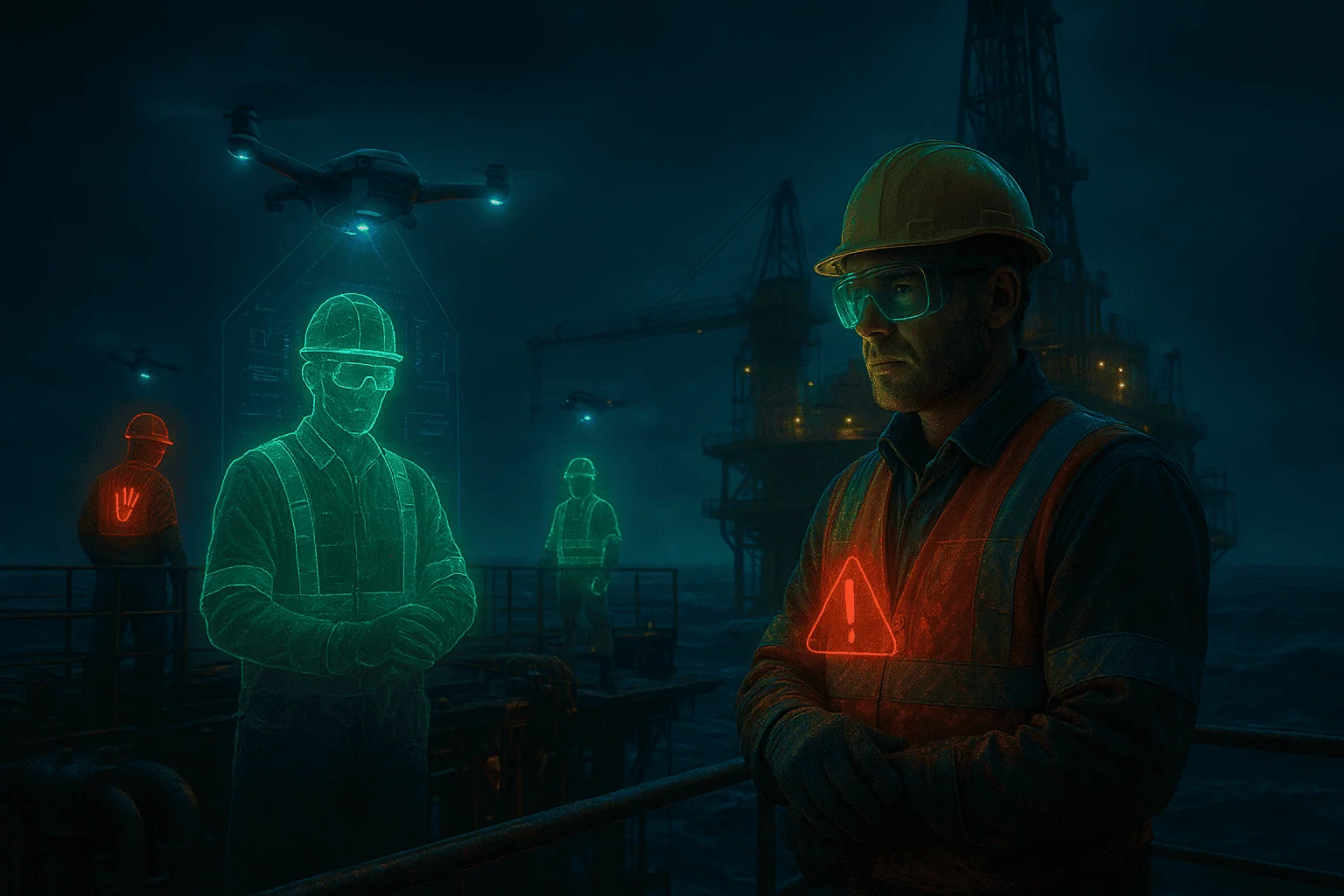
Every workplace safety program begins with intent. Policies are documented, training is provided, and signs are posted at locations. But the gap between purpose and practice still constitutes probably the most frustrating of the safety management challenges. All too frequently, accidents happen not due to the lack of protective equipment but due to neglect, misuse, or forgetfulness in the zeal of routine.
The repercussions of these lapses are not hypothetical. One study approximates that close to 2.78 million workers lose their lives each year from occupational accidents or illnesses caused by work, with a considerable number traced to avoidable hazards. In addition to the loss of human life, there are intangible costs: lost time from operations brought to a standstill, increased insurance rates, legal exposures, and demoralization of workforce confidence.
In this landscape, PPE detection provides assurance. It guarantees that when an employee enters a hazard area, they are consistently safeguarded. Such dependability distinguishes automated sensing from conventional monitoring. Managers, relieved from the responsibility of continuous manual inspection, can concentrate on training and intervention instead of policing. Executives, on the other hand, are provided with transparency by quantifiable data, relating safety performance to business goals in general.
How Does a PPE Detection System Work?
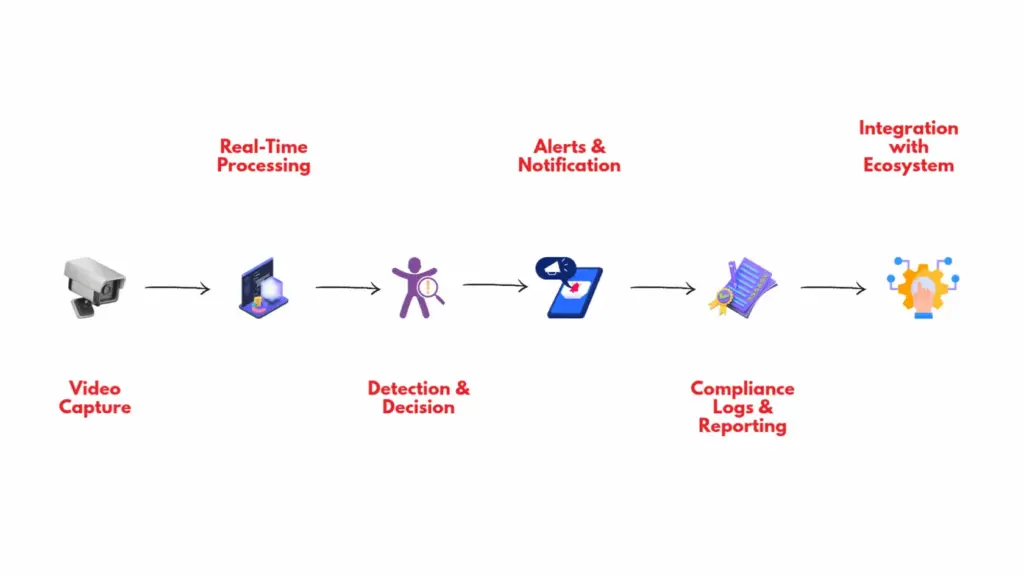
A PPE Detection System’s power is in making complicated tech simple. Essentially, the system has a clear, replicable process:
Video Capture
Cameras installed on the site—currently used CCTV kit or dedicated IoT-enabled units—are continuously recording worker behaviour. The system does not tire, blink, or lose concentration, in contrast to human oversight.Real-Time Processing
The video feed is processed through trained computer vision models. The models have learned from thousands of examples of PPE being worn, so they can detect helmets, gloves, face masks, high-visibility vests, and other equipment with great accuracy.Detection and Decision
As soon as the system detects a missing or improperly worn piece of gear, it considers context: Is the worker going into a restricted zone? Is non-compliance with PPE a violation of policy? Context-aware detection reduces false alarms and causes the system to react only to real risks.Alerts and Notifications
Once lapse verification is done, an alarm is issued. Alarms are issued to site managers by means of dashboards, mobile phones, or integrated workplace communication systems. In a few setups, alarms are also able to instruct access controls to keep employees from entering hazardous areas without the appropriate gear.Compliance Logs and Reporting
Every event is documented automatically. These records create a digital record trail of compliance, with audit-ready records available at the ready for inspection, insurance claims, or internal audit. Rather than trusting to memory or paperwork, companies have verifiable data at their fingertips.Integration with Safety Ecosystem
Modern PPE detection systems are rarely standalone. They connect to bigger safety ecosystems—incident reporting systems, workforce management software, or IoT sensors—to provide a total view of workplace safety.
Types of PPE Detection Systems
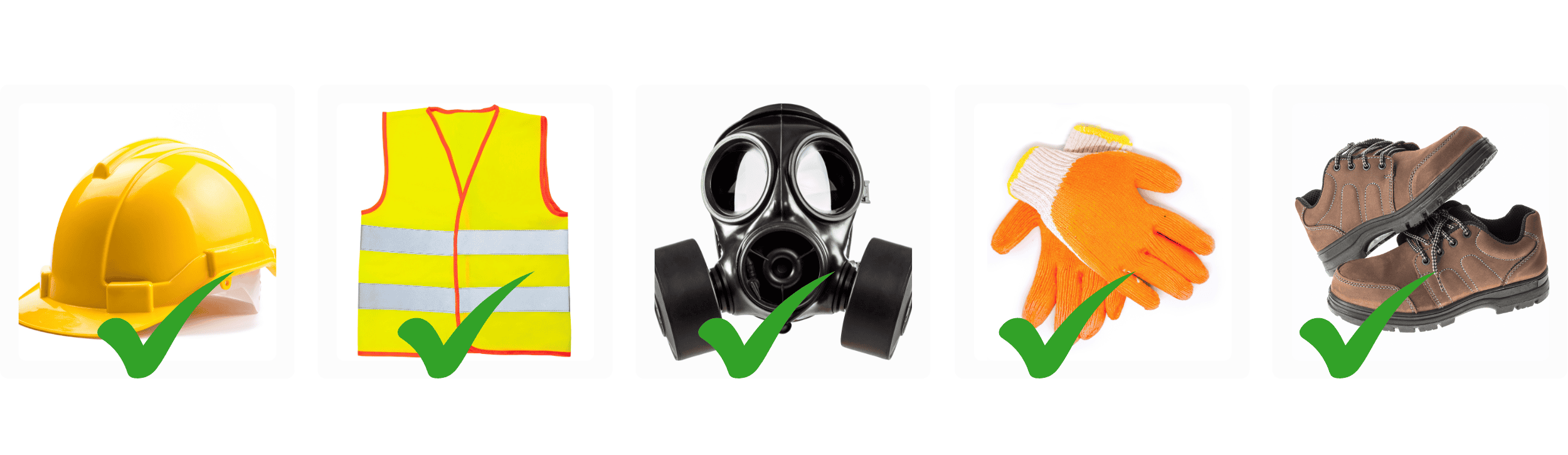
Not all workplaces present the same dangers, and not all jobs need the same equipment. A good PPE Detection System takes this variety into account and provides individual identification for the protective gear a setting requires. The following categories represent the most widely adopted types of detection today:
Helmet Detection
In industries such as construction, mining, and heavy industry, headgear is necessary. Detection systems that can learn to identify hard hats can ensure that no worker enters a risk area without one. Certain more advanced configurations can even differentiate between color-coded helmets, assisting in role-based access verification—such as distinguishing between contractors, supervisors, and visitors.High-Visibility Vest Detection
Warehouses, logistics, and road work zones rely on reflective jackets to prevent accidents, particularly during situations of low light. Vision models can detect whether reflective jackets are on and mark any worker who merges with the surroundings rather than standing out as they are supposed to.Face Mask and Goggles Detection
Whereas in situations such as chemical plants, laboratories, or health centres, eye and respiratory protection is vital, PPE detection is a step further than regular mask detection; it checks if masks are properly worn and in case goggles should be worn.Safety Gloves and Boots Detection
Boots and gloves shield from burns, cuts, electrical shock, and crushing trauma. Patterns trained in glove and foot ware patterns guarantee even less visible PPE items are covered, reducing the risk in working with machinery or traveling through hazardous terrain.Respiratory Protection and Specialized Gear
In the oil and gas, pharma, or mining sectors, more sophisticated protection wear—e.g., respirators or chemical coveralls—may be needed. PPE detection systems can be designed to manage such requirements, providing the same number of warnings irrespective of how advanced the gear is.
Core Technologies Behind PPE Detection
Behind every effective PPE Detection System is a blend of advanced technologies working in concert to deliver reliable, real-time safety assurance:
Computer Vision
High-resolution cameras and vision algorithms continuously scan worksites, detecting helmets, vests, masks, and other protective gear with precision across multiple angles and lighting conditions.Deep Learning Models
Trained on vast datasets of PPE images, these models learn to recognize patterns and variations, improving accuracy over time and minimizing false alerts.IoT Sensors & Edge Computing
Sensors at gates, machines, or wearables add an extra verification layer, while edge computing ensures instant alerts and compliance checks without depending on central servers.Enterprise Integration
The real strength lies in integration—connecting detection outputs to safety dashboards, audit logs, and access control systems so compliance becomes part of daily operations.